
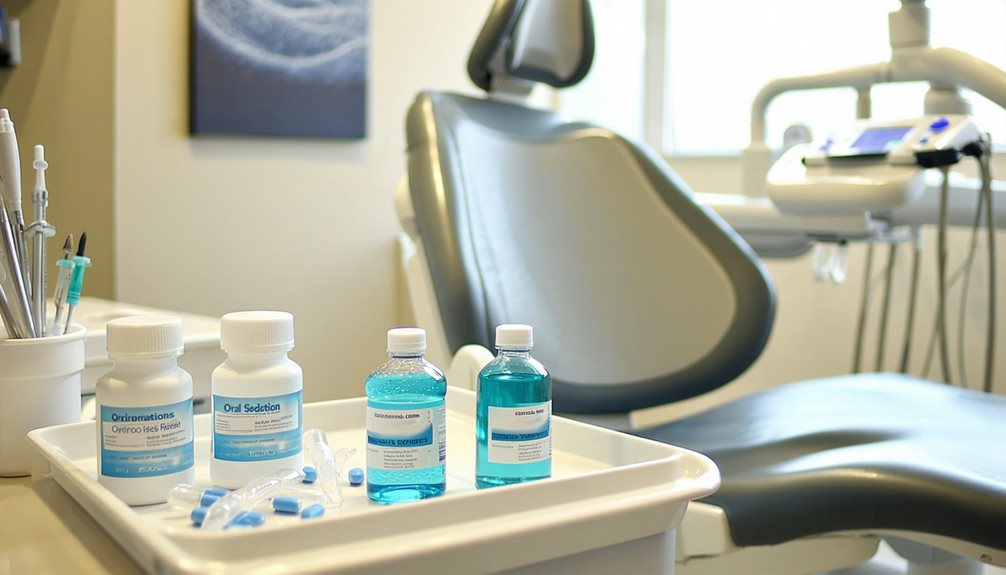
Family dental practices provide a range of sedation options designed to enhance patient comfort and ease anxiety. Nitrous oxide sedation offers rapid relaxation, maintaining consciousness with minimal aftereffects, while oral sedation provides deeper relaxation for those with heightened dental fears. IV sedation is utilized for its quick onset and adjustable dosages, ideal for complex treatments. General anesthesia is reserved for extensive dental surgeries, ensuring complete unconsciousness. Pediatric patients are often administered nitrous oxide or oral sedation to manage anxiety effectively. Tailoring sedation to individual needs maximizes treatment comfort. Exploring these options can empower you with knowledge for your dental care decisions.
Nitrous Oxide Sedation
Nitrous Oxide Sedation, commonly known as "laughing gas," is a widely utilized sedation method in family dental practices for its efficacy and safety. It offers a reliable approach to managing dental anxiety in patients of all ages, ensuring a more comfortable and stress-free experience.
Nitrous oxide benefits include its rapid onset and ability to allow patients to remain conscious and responsive, yet relaxed. This sedation technique is particularly advantageous as it can be finely adjusted to meet each patient’s specific comfort level, enhancing the overall dental care experience.
From a safety perspective, nitrous oxide is highly regarded because it is quickly eliminated from the body once inhalation stops, minimizing any lingering effects. Additionally, its non-invasive nature allows for easy administration through a simple nasal mask, making it an ideal choice for both routine and more involved dental procedures.
Patients can resume normal activities soon after the appointment, highlighting the practicality of this sedation method. As family dental practices continuously seek innovative solutions to improve patient care, the integration of nitrous oxide sedation remains a demonstration of the commitment of providing effective and patient-centered dental treatments.
Oral Sedation Techniques
Oral sedation techniques offer significant advantages for patients who experience anxiety during dental procedures, providing a deeper level of relaxation compared to nitrous oxide.
Commonly used medications such as benzodiazepines are administered in pill form, allowing for easy ingestion and effective management of anxiety symptoms.
To guarantee ideal results, patients are advised to follow specific preparation guidelines, including dietary recommendations and transportation arrangements, which help enhance safety and overall treatment efficacy.
Benefits of Oral Sedation
A multitude of advantages make oral sedation a preferred choice for many patients seeking dental care. This method is particularly effective in anxiety reduction, transforming the dental experience into a more manageable and less stressful event.
Oral sedation involves the administration of a sedative in pill form, taken prior to a dental appointment. This approach offers a non-invasive, convenient, and patient-friendly method to achieve a relaxed state, enabling individuals to undergo necessary dental procedures with ease.
The benefits of oral sedation extend beyond mere comfort. By alleviating anxiety, patients are more likely to adhere to recommended dental treatments, thereby improving their overall oral health.
In addition, oral sedation facilitates the dentist’s ability to perform procedures efficiently, as patients remain calm and cooperative throughout the process. This can lead to shorter appointment times and a reduced need for multiple visits.
Innovation in dental care is additionally exemplified by the minimal side effects associated with oral sedation, making it a safe and effective choice for a wide range of individuals, including those with heightened dental fears.
Ultimately, oral sedation enhances the patient experience, paving the way for improved dental health outcomes and fostering a positive attitude toward ongoing oral care.
Common Sedation Medications
When considering oral sedation techniques, understanding the common medications used is vital for both patients and practitioners aiming for ideal outcomes. These medications offer a pathway to innovative, anxiety-free dental care while prioritizing sedation safety and minimizing medication side effects.
Here are three commonly used oral sedation medications:
-
Diazepam (Valium): Diazepam is frequently utilized due to its long history of efficacy in reducing anxiety. It offers a predictable sedation level, enhancing patient comfort. However, potential side effects include drowsiness and dry mouth, which should be monitored to guarantee sedation safety.
-
Midazolam: Known for its rapid onset and short duration, Midazolam is ideal for shorter dental procedures. Its amnesic properties help patients experience less recall of the procedure, which can be beneficial for those with severe anxiety. Careful dosage monitoring is vital to mitigate risks such as respiratory depression.
-
Lorazepam (Ativan): With intermediate duration, Lorazepam is effective for moderate sedation. It provides significant anxiety reduction, making dental visits less intimidating. Side effects like dizziness and confusion necessitate thorough pre-treatment assessment and patient education to guarantee a safe sedation experience.
Patient Preparation Tips
Effective patient preparation is the cornerstone of successful oral sedation techniques in dental practices. It begins with cultivating a positive patient mindset, which is essential for optimizing sedation efficacy. Clinicians should engage in thorough pre-sedation consultations, providing detailed explanations of the procedure to alleviate concerns and clarify expectations. This fosters trust and contributes greatly to anxiety reduction.
Patients are encouraged to express their fears and queries, enabling dental professionals to tailor sedation plans that address individual needs effectively. Prior to the appointment, patients should be advised to adhere to specific guidelines such as fasting and avoiding alcohol or caffeine, as these can impact the metabolism of sedative agents.
Clear instructions should be conveyed regarding post-sedation transportation and aftercare. Emphasizing the importance of a supportive environment at home post-procedure further guarantees a smooth recovery.
Innovative approaches, such as utilizing virtual reality or guided meditation sessions, can be integrated into the preparation process to enhance relaxation and improve the patient mindset.
IV Sedation Benefits
IV sedation offers several key advantages in dental procedures, particularly for those who experience significant anxiety.
This method facilitates enhanced patient comfort by inducing a state of deep relaxation, allowing complex treatments to be performed with minimal stress.
Additionally, IV sedation guarantees a quick recovery time, enabling patients to resume their daily activities with minimal disruption.
Enhanced Comfort During Procedures
For many patients, dental procedures can be a source of anxiety and discomfort, but intravenous (IV) sedation offers a powerful solution to enhance comfort and relaxation during treatment.
This innovative sedation technique is particularly beneficial for individuals experiencing patient anxiety or procedure anxiety, as it provides a deeper level of sedation compared to oral sedatives, allowing patients to remain calm and at ease throughout their dental visit.
IV sedation is administered directly into the bloodstream, enabling precise control over the sedation level.
The benefits of IV sedation in enhancing comfort during dental procedures can be summarized as follows:
-
Immediate Effect: IV sedation takes effect rapidly, minimizing the onset of anxiety and allowing the dental team to begin procedures more promptly.
-
Customizable Dosage: The sedation level can be adjusted in real-time, guaranteeing a tailored approach that aligns with the unique comfort requirements of each patient.
-
Reduced Memory of Procedure: Patients often have little to no recollection of the procedure, further alleviating anxiety about future visits.
This patient-focused approach exemplifies the advancements in dental sedation, catering to those who seek a more comfortable and stress-free experience.
Quick Recovery Time
One of the notable benefits of IV sedation is its contribution to a quick recovery time, making it an attractive option for patients who wish to resume their daily activities promptly after a dental procedure.
This form of sedation is administered intravenously, allowing for precise control over the sedation timeline.The rapid onset and adjustable depth of sedation cater to both the duration and intensity of dental interventions, effectively minimizing downtime. The pharmacokinetics of the sedative agents used in IV sedation enable a swift clearance from the system, promoting efficient recovery strategies.
Patients can typically return to their normal functions within a few hours, markedly reducing the usual post-procedure lethargy associated with other sedation methods. This advantage is particularly appealing for those with demanding schedules or responsibilities, as it integrates seamlessly with a modern lifestyle that values time and efficiency.
Furthermore, IV sedation is tailored to each patient’s specific needs, ensuring an individualized approach that enhances the overall experience. The innovative delivery system of IV sedation, combined with its rapid recovery benefits, positions it as a progressive choice for family dental practices aiming to offer cutting-edge care and patient convenience.
Suitable for Anxious Patients
Patients seeking dental care often prioritize both a swift recovery and a comfortable experience, particularly those who experience anxiety in clinical settings. Intravenous (IV) sedation offers a powerful solution for anxiety management, guaranteeing that patients remain relaxed throughout their dental procedures.
This method is particularly suitable for individuals who struggle with dental phobia or require extensive work, as it allows for a deeply calming experience while maintaining patient safety.
IV sedation provides numerous benefits for anxious patients, including:
-
Enhanced Comfort: By providing a state of deep relaxation, IV sedation minimizes discomfort and guarantees that the dental experience is as stress-free as possible.
-
Rapid Onset and Adjustability: The sedative effects are fast-acting, allowing dental professionals to adjust the dosage in real-time to achieve ideal sedation levels tailored to the patient’s needs.
-
Improved Patient Cooperation: With anxiety management effectively addressed, patients are more likely to remain calm and cooperative, enabling dental practitioners to perform procedures efficiently and accurately.
Patient education is essential in the implementation of IV sedation. Understanding the benefits and process can greatly reduce apprehension, empowering patients to make informed decisions about their dental care.
This innovative sedation option not only enhances the dental experience but also fosters long-term patient trust and satisfaction.
General Anesthesia Overview
Although various sedation techniques are available for dental procedures, general anesthesia stands out as an all-encompassing solution for patients who require complete unconsciousness. This method is particularly beneficial for individuals undergoing extensive dental surgery or those with severe dental anxiety.
General anesthesia types vary, from inhalation agents like sevoflurane to intravenous medications such as propofol, each selected based on specific patient needs and procedural requirements.
Anesthesia safety is crucial in modern dental practice. The administration of general anesthesia involves thorough pre-assessment by trained anesthesiologists, guaranteeing patient suitability and minimizing risks.
Continuous monitoring of essential signs throughout the procedure is standard, employing advanced equipment to track heart rate, oxygen saturation, and ventilation. These innovations in safety protocols guarantee that general anesthesia remains a feasible option even in family dental settings.
For patients seeking a stress-free dental experience, the use of general anesthesia represents a leap forward in comfort and care.
With its ability to render patients completely unconscious, it eliminates awareness and memory of the procedure, thereby transforming the dental experience.
As dental practices increasingly integrate innovative sedation options, including general anesthesia, they are redefining patient care by prioritizing safety and comfort.
Pediatric Sedation Options
When addressing the unique needs of pediatric patients, sedation options in family dental practices must be carefully tailored to guarantee both safety and comfort.
Pediatric anxiety is a common challenge, and innovative sedation techniques can markedly enhance the dental experience for young patients. Here, we explore three primary sedation options that guarantee sedation safety while alleviating anxiety:
-
Nitrous Oxide (Laughing Gas): This mild sedation method is inhaled through a small mask over the nose, providing relaxation without loss of consciousness. Its rapid onset and recovery make it an ideal choice for children, allowing them to resume normal activities shortly after treatment.
-
Oral Sedation: Administered in liquid or pill form, oral sedation ranges from minimal to moderate effects based on dosage. It induces a state of drowsiness, helping manage pediatric anxiety while maintaining the child’s ability to respond to verbal cues, enhancing both cooperation and sedation safety.
-
IV Sedation: Reserved for more extensive procedures, IV sedation involves medications delivered directly into the bloodstream. This method allows for precise control over sedation levels, guaranteeing a deeper state of relaxation. Continuous monitoring is essential to safeguard against potential risks, emphasizing sedation safety.
These options exemplify the commitment to innovative, patient-centered care in pediatric dental sedation.
Choosing the Right Sedation
Selecting the appropriate sedation method is a critical component of dental treatment planning, especially in a family dental practice setting. Tailoring sedation to meet the unique needs of each patient involves debunking common sedation myths and understanding the diversity of patient experiences.
Contrary to prevalent myths, sedation dentistry is not reserved solely for those with extreme anxiety or complex procedures. Instead, it can be an innovative tool to enhance comfort and compliance across a spectrum of dental visits.
To choose the right sedation, practitioners must evaluate factors such as the patient’s medical history, level of dental anxiety, and previous sedation experiences. Nitrous oxide, known for its rapid onset and minimal side effects, is often favored for patients seeking mild relaxation.
Oral sedatives may be considered for those requiring deeper sedation, while IV sedation offers a more controlled experience for intricate procedures. Each method’s effectiveness is contingent upon a thorough understanding of patient experiences and the ability to dispel any sedation myths that may cloud their expectations.
Ultimately, the goal is to foster a positive dental experience, empowering patients through informed choices and exemplary care tailored to their individual needs and preferences.
Frequently Asked Questions
Are There Any Long-Term Side Effects of Dental Sedation?
Long-term effects of dental sedation are rare but possible, including persistent drowsiness or cognitive impairment. Understanding sedation risks is essential for informed decision-making, ensuring innovative, patient-focused approaches prioritize both efficacy and safety in dental care practices.
How Does Dental Sedation Affect Pregnancy?
Dental sedation during pregnancy necessitates careful consideration of pregnancy safety. Exploring sedation alternatives is essential, as some forms may pose risks to fetal development. Always consult healthcare providers for tailored, innovative solutions prioritizing maternal and fetal well-being.
Is Sedation Safe for Patients With Heart Conditions?
Evaluating sedation techniques for patients with heart conditions necessitates prioritizing heart health. While certain methods, like nitrous oxide, may be safer, thorough cardiac assessment and tailored sedation plans are essential to guarantee patient safety and innovative care.
Can I Drive Myself Home After Receiving Dental Sedation?
Driving post sedation is generally discouraged due to impaired motor skills and judgment. Sedation recovery tips include arranging transportation, resting, and following post sedation care instructions to guarantee a safe and effective recovery process.
How Does Dental Sedation Interact With Other Medications?
Dental sedation safety is paramount, particularly regarding medication interactions. Certain medications may potentiate or diminish sedation effects, necessitating thorough patient histories and tailored sedation plans to guarantee ideal safety and efficacy during dental procedures.
Conclusion
In conclusion, selecting the appropriate sedation method at family dental practices involves an extensive understanding of the various options available. Nitrous oxide provides minimal sedation with rapid recovery, while oral sedation offers moderate relaxation. IV sedation guarantees deeper sedation levels with precise control, and general anesthesia is suitable for extensive procedures or special needs. Pediatric sedation requires careful consideration for safety and efficacy. The choice should be tailored to individual patient needs, guaranteeing ideal comfort and procedural success.

