
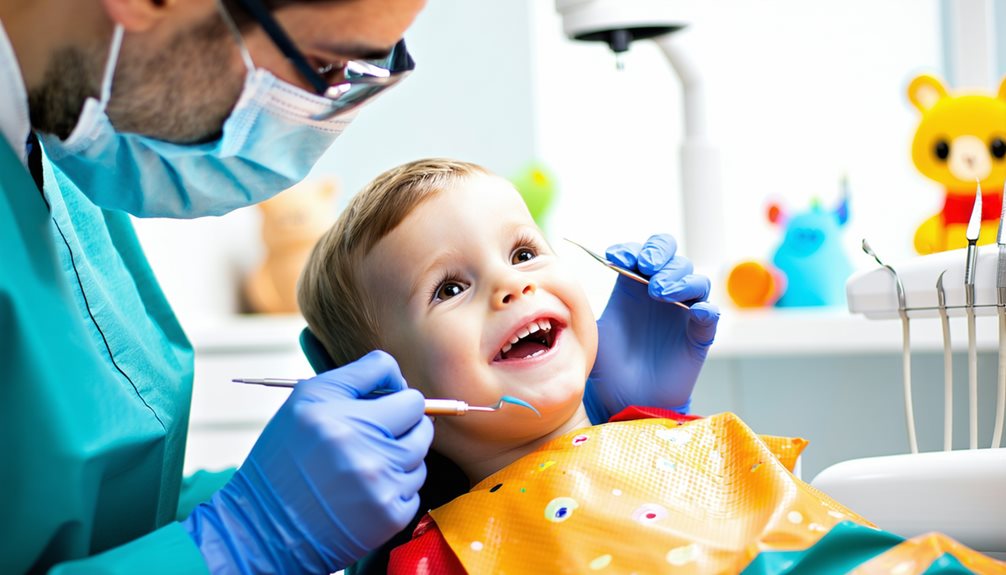
Specialized dental care for children is essential due to their unique dental needs and developmental stages. Pediatric dentists provide expert care tailored to the emergence of baby and permanent teeth, preventing cavities with techniques like dental sealants and fluoride treatments. They create child-friendly environments that reduce anxiety, engage children positively, and employ advanced techniques for painless care. For children with special needs, individualized plans and sensory-friendly settings guarantee comfort and understanding. By focusing on prevention and early intervention, children not only develop healthy teeth but also positive attitudes towards dental care, fostering lifelong oral health. Discover more about enhancing children’s dental experiences.
Understanding Children’s Unique Dental Needs
When it comes to maintaining ideal oral health, children’s dental needs are fundamentally different from those of adults. This distinction arises from the vital stages of tooth development unique to children. From the emergence of the first baby tooth to the shift towards permanent teeth, each stage requires careful attention.
The development process is not only about the appearance of teeth but also their alignment and health, which can greatly impact a child’s future dental well-being.
Cavity prevention is a key concern during these formative years. Children are more susceptible to cavities due to a combination of dietary habits and developing brushing skills. Innovative approaches in pediatric dental care emphasize preventive strategies, such as the application of dental sealants and fluoride treatments, which are designed to fortify young teeth against decay.
Educating children about the importance of oral hygiene and instilling good habits early on is essential.
Furthermore, understanding the nuances of children’s tooth development enables caregivers to tailor care that supports ideal oral health. By focusing on these unique needs, we can guarantee that children not only maintain healthy teeth but also foster confidence through healthy smiles.
Prioritizing children’s dental care lays a foundation for lifelong oral health.
Benefits of Specialized Pediatric Dentists
Specialized pediatric dentists offer numerous benefits that cater specifically to the oral health needs of children. These professionals possess advanced training in pediatric dentistry, equipping them with the expertise necessary to address the unique dental concerns of young patients. Their approach emphasizes dental education, empowering children and their families with the knowledge to maintain ideal oral hygiene. This proactive education is pivotal in establishing lifelong healthy habits.
Moreover, the environments these dentists create are inherently child-friendly, designed to alleviate stress and engage young minds. Vibrant, inviting spaces with playful elements transform dental visits into positive experiences. This innovative approach not only enhances comfort but also fosters a sense of familiarity and safety, encouraging regular dental check-ups.
Pediatric dentists also utilize advanced techniques and tools tailored for children, ensuring treatments are as effective and painless as possible. Their compassionate demeanor and understanding of child psychology enable them to communicate effectively with young patients, making complex dental procedures more comprehensible and less intimidating.
Addressing Anxiety in Dental Visits
Dental anxiety is a common concern among children, making it vital for caregivers and dental professionals to address it effectively. Recognizing the unique emotional needs of young patients, innovative strategies can be employed to create a more welcoming dental experience.
By implementing compassionate techniques, we can transform dental visits into positive experiences, reducing anxiety and fostering a lifelong commitment to oral health.
To address dental anxiety in children, consider the following coping strategies:
-
Child-Friendly Environment: Creating a vibrant, interactive dental office environment can help ease a child’s fears, making the experience seem less clinical and more like an adventure.
-
Communication and Education: Simplifying explanations and using age-appropriate language demystifies dental procedures, empowering children with knowledge and reducing fear of the unknown.
-
Parental Involvement: Encouraging parents to be present and actively participate in their child’s dental visit can provide comfort and reassurance, further alleviating anxiety.
-
Positive Reinforcement: Rewarding children for their bravery and cooperation during their visit can cultivate a sense of achievement and encourage future visits.
Harnessing these innovative coping strategies guarantees a compassionate approach to managing dental anxiety, promoting a seamless and enjoyable dental journey for children.
Emphasizing the emotional well-being of young patients is vital for their overall health and development.
Tailored Treatments for Special Needs
When caring for children with special needs, it’s crucial to provide customized dental approaches that cater to their unique requirements.
By implementing enhanced comfort techniques, dental professionals can create a more positive and stress-free experience for these young patients.
This compassionate approach not only guarantees effective treatment but also nurtures trust and confidence in the dental environment.
Customized Dental Approaches
Children with special needs often require individualized care plans to guarantee their dental health is effectively managed. This approach recognizes the unique challenges and needs each child may face, allowing for customized treatment plans that cater specifically to their requirements.
By employing individualized care strategies, dental professionals can provide a supportive and adaptive environment that promotes peak oral health for these young patients.
Customized dental approaches for children with special needs may include:
- Adaptive communication techniques: Using visual aids or simplified language to ascertain the child understands the dental procedures.
- Sensory-friendly environments: Modifying the dental setting to reduce overstimulation, such as dimming lights or playing calming music.
- Flexible scheduling: Offering appointments that accommodate the child’s daily routine and energy levels.
- Specialized equipment: Utilizing tools designed for comfort and efficiency, tailored to the child’s needs.
These innovative strategies not only improve the child’s comfort and cooperation but also empower parents and caregivers by involving them in the decision-making process.
By prioritizing these customized dental approaches, dental professionals can create a positive experience that nurtures the child’s health and well-being, fostering a lifelong commitment to oral hygiene.
Such individualized care not only addresses immediate dental concerns but also lays the foundation for a healthier future.
Enhanced Comfort Techniques
Building upon the foundation of customized dental approaches, enhancing comfort becomes a pivotal aspect of ensuring successful dental visits for children with special needs. Recognizing the unique challenges these children face, innovative dental practices have embraced enhanced comfort techniques, prioritizing both pain management and sensory accommodations. This compassionate approach helps to alleviate anxiety and promote a positive dental experience.
Pain management is tailored to the individual needs of each child, employing advanced methods such as sedation dentistry or topical anesthetics. These techniques are designed to minimize discomfort, allowing children to feel at ease during procedures.
Sensory accommodations, on the other hand, focus on creating a soothing environment. This includes dimmed lighting, calming sounds, and tactile-friendly materials, all of which can greatly reduce sensory overload.
Additionally, dental teams are trained to communicate effectively with children, using visual aids and gentle encouragement to guide them through each step of the process. By prioritizing these comfort techniques, dental care for children with special needs becomes not only manageable but also empowering.
Importance of Early Dental Interventions
Establishing a strong foundation for oral health through early dental interventions is essential in ensuring a lifetime of healthy smiles for children. These interventions begin with preventive care, a proactive approach that focuses on maintaining ideal dental health from a young age.
Early assessments by dental professionals are vital as they allow for the identification and treatment of potential issues before they develop into more complicated conditions. This not only helps in preventing cavities and gum diseases but also supports proper oral development.
Early dental interventions offer numerous benefits, including:
- Detection of developmental issues: Identifying misalignments or other concerns early can lead to timely corrective measures.
- Education on oral hygiene: Teaching children about brushing and flossing empowers them to take charge of their dental health.
- Building positive dental experiences****: Gentle, child-friendly visits reduce dental anxiety and encourage regular check-ups.
- Customized care plans: Tailored strategies address each child’s unique needs, promoting healthier outcomes.
Encouraging Long-Term Oral Health Habits
When fostering long-term oral health habits in children, it is vital to approach the task with patience and understanding, guaranteeing that these practices become a natural part of their daily routine. Encouraging children to embrace oral hygiene begins with creating a positive and engaging environment. Innovative tools like colorful toothbrushes and flavored toothpaste can transform brushing into an enjoyable activity.
Additionally, interactive educational apps and games can further captivate young minds, making the learning process both fun and effective.
Parents and caregivers play an essential role in modeling healthy habits. By demonstrating their own commitment to oral hygiene, they set a powerful example for children to follow. Establishing a consistent routine, such as brushing twice daily and flossing, helps instill these practices as lifelong habits.
Regular visits to a specialized pediatric dentist guarantee children receive tailored care and guidance, reinforcing the importance of maintaining oral health.
Ultimately, the goal is to empower children with the knowledge and motivation to care for their teeth proactively. By nurturing these healthy habits from a young age, we pave the way for a future generation that values and prioritizes oral health, guaranteeing bright smiles and overall well-being.
Frequently Asked Questions
How Often Should Children Have Dental Check-Ups?
Children should have dental check-ups every six months. Regular visits guarantee ideal dental hygiene, allowing early detection and management of issues. Such proactive care fosters healthy, innovative practices for lifelong oral health, catering to children’s unique developmental needs.
What Should Parents Do if a Child Has a Dental Emergency?
In a dental emergency, parents should administer dental first aid promptly, such as rinsing the mouth and applying a cold compress. Guarantee emergency contacts for pediatric dentists are accessible, allowing immediate and specialized care for innovative treatment solutions.
How Can Diet Impact a Child’s Oral Health?
A child’s oral health can be greatly influenced by their dietary habits. High sugar intake increases the risk of cavities and other dental issues. Encouraging balanced nutrition fosters strong teeth, promoting lifelong innovative oral health practices.
Are Fluoride Treatments Safe for Young Children?
Fluoride safety is well-documented, offering significant treatment benefits by strengthening young children’s developing teeth and preventing cavities. When administered correctly, fluoride treatments are a safe, innovative approach to enhancing dental health in a compassionate, child-focused manner.
How Can Parents Choose the Right Pediatric Dentist?
When selecting a pediatric dentist, parents should prioritize qualifications, ensuring they have specialized training. Additionally, a child-friendly environment is essential, fostering comfort and trust. Innovative approaches and compassionate care are vital in making dental visits a positive experience.
Conclusion
Specialized dental care for children is vital due to their unique dental needs and developmental stages. Pediatric dentists offer expertise in managing anxiety and providing tailored treatments, particularly for children with special needs. Early dental interventions are necessary for preventing future oral health issues and fostering lifelong healthy habits. By prioritizing specialized care, children receive the compassionate and knowledgeable attention necessary to guarantee peak dental health, ultimately laying the foundation for a lifetime of confident smiles and overall well-being.

